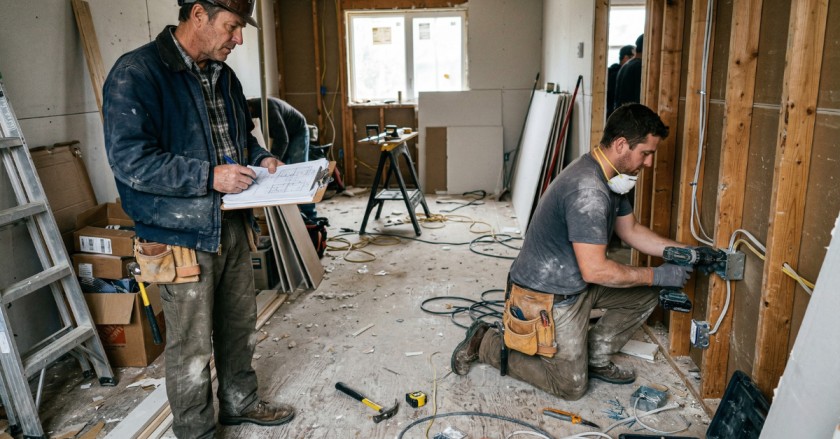
Yes, there is a difference between a contractor and a general contractor, and understanding it can save you time, money, and confusion when planning a construction or remodeling project. The word contractor is a broad term. A general contractor is one specific type of contractor that manages the overall project, coordinates the work, and keeps everything moving from start to finish. Competitor articles consistently describe the general contractor as the main project overseer, while other contractors usually focus on a narrower scope or trade.
If you are a homeowner or property owner, this topic matters because hiring the wrong type of contractor can lead to delays, miscommunication, and budget problems. Many people use the terms interchangeably, but in construction, they do not always mean the same thing. Knowing who does what makes it easier to choose the right professional for your remodel, addition, new build, or repair job.
What Is a Contractor?
A contractor is a general umbrella term for a person or company hired to perform construction-related work under a contract. That can include a wide range of construction roles, such as a plumber, electrician, roofer, painter, HVAC installer, remodeling company, residential contractor, specialty contractor, or general contractor. In other words, every general contractor is a contractor, but not every contractor is a general contractor.
This is where a lot of confusion starts. When someone says “contractor,” they may simply mean anyone doing the work. But in practice, contractors can fall into different categories depending on how much of the project they control and what kind of work they perform. Some manage the entire build. Others only handle one part of it.
What Does a General Contractor Do?
If you have ever asked, what does a general contractor do, the simple answer is this: a general contractor manages the overall construction project. They are usually the main point of contact for the owner and are responsible for coordinating the many moving parts involved in the job. Competitor sources repeatedly describe the GC as the party that oversees scheduling, budgeting, subcontractors, compliance, and project completion.
A general contractor typically handles tasks such as:
- Planning the project timeline
- Coordinating multiple trades
- Hiring and supervising subcontractors
- Ordering or coordinating materials
- Tracking budgets and deadlines
- Communicating with the property owner
- Helping keep the work aligned with codes, permits, and project scope
Because the general contractor oversees the full process, they are often the person who keeps the entire job organized. That is why they are commonly hired for larger remodels, additions, whole-home renovations, and ground-up construction projects.
Contractor vs General Contractor: What’s the Real Difference?
The clearest way to understand contractor vs general contractor is to think in terms of scope.
A contractor may handle one specific service or one portion of the job. A general contractor manages the whole project and coordinates the people doing the specialized work. For example, if you are remodeling a kitchen, the tile installer, electrician, plumber, cabinet installer, and painter may all be contractors. The general contractor is the one making sure their work happens in the right order, on the right schedule, and within the bigger project plan.
So the biggest difference is not whether one is “better” than the other. It is about project responsibility.
A regular contractor usually:
- Focuses on one trade or one service
- Has a narrower scope of work
- Is responsible for completing their assigned task
A general contractor usually:
- Oversees the entire construction process
- Coordinates several contractors or subcontractors
- Carries broader responsibility for timelines, workflow, and final delivery
That is the practical difference most property owners need to know.
Types of Contractors You May Hear About
One reason this topic feels confusing is that there are several types of contractors in the construction industry. Here are the most common ones:
1. General Contractor
This is the project manager of the build. They oversee the full job, coordinate trades, and serve as the central point of communication.
2. Specialty Contractor
A specialty contractor focuses on a single trade or technical area, such as electrical, plumbing, roofing, HVAC, or carpentry. Their role is narrower and more specialized than that of a GC.
3. Residential Contractor
A residential contractor works specifically on homes and residential structures. Competitor content frames this role as being focused on home remodels, additions, and new residential construction rather than broader project categories.
4. Independent Contractor
An independent contractor is generally self-employed and often brought in for a specific task or service rather than to run the entire project. In the construction context, this usually means they are not managing the full build from start to finish the way a general contractor would.
You can also read: How Much Does It Cost to Renovate a House?
When Do You Need a General Contractor?
You typically need a general contractor when the project involves multiple trades, several phases, or a higher level of coordination. That includes jobs like:
- Whole-home remodeling
- Room additions
- Kitchen remodels with electrical, plumbing, and cabinetry work
- Bathroom renovations involving several trades
- New home construction
- Commercial build-outs or major renovations
In these situations, having one person or company manage the workflow can make the process much smoother. Instead of scheduling every specialist yourself, you work through one lead professional. That often reduces stress and helps prevent one trade from delaying another.
When a Specialty or Single Contractor May Be Enough
Not every project needs a general contractor. If the work is simple and limited to one trade, you may only need a specialty contractor. For example, if you only need roof replacement, one plumbing repair, or one HVAC installation, hiring a trade-specific contractor may be the more direct option. Competitor articles make this distinction by separating whole-project oversight from technical task execution.
That said, once your project starts involving permits, sequencing, multiple crews, or design and build coordination, the value of a general contractor becomes much clearer.
Why the Difference Matters for Homeowners
Understanding construction roles helps you ask better questions before signing a contract. It also helps you avoid hiring someone whose scope does not match your project needs.
Before you hire, ask:
- Will this company manage the entire project or only one part of it?
- Who will schedule the trades?
- Who is responsible for communication and jobsite coordination?
- Who handles changes, delays, and problem-solving?
- Will I need to hire other contractors separately?
These questions can quickly reveal whether you are talking to a general contractor or a trade-specific contractor. That distinction matters because broader management usually means broader responsibility, while narrower work usually means a narrower role.
Final Answer: Is There a Difference Between a Contractor and a General Contractor?
Yes. A contractor is a broad term for someone hired to do construction work. A general contractor is a contractor who manages the entire project, coordinates trades, oversees schedules and budgets, and acts as the main point of contact from start to finish. Specialty contractors, residential contractors, and independent contractors may each play important roles, but they usually do not carry the same project-wide responsibility as a general contractor.
If you are planning a remodeling or construction project and want experienced guidance from start to finish, contact Gami’s Constructors LLC for expert support, quality workmanship, and dependable project coordination.