If you’ve been Googling contractors or browsing home improvement sites lately, you’ve probably used the words “renovation” and “remodel” interchangeably. Most people do. But they actually mean two different things, and understanding the difference can save you time, money, and a lot of confusion when you sit down with a contractor.
The short answer: renovation vs. remodel comes down to whether you’re restoring and refreshing what’s already there, or changing the layout, structure, or function of a space entirely. A renovation update. A remodel transforms.
That said, many home projects blend both. And for homeowners in Albuquerque thinking about updating a kitchen, adding a bathroom, or expanding their living space, knowing which category your project falls into helps you plan better, budget accurately, and ask the right questions.
What Does “Renovation” Actually Mean?
A renovation is the process of restoring, refreshing, or improving an existing space without changing what it fundamentally is. The room stays the same. The layout stays the same. You’re just making it look better, work better, or last longer.
Think of renovation as bringing something back to life rather than reinventing it.
Common home renovation projects include:
- Repainting interior or exterior walls
- Replacing flooring (tile, hardwood, LVP)
- Updating light fixtures, faucets, or hardware
- Refinishing or replacing cabinets without moving them
- Replacing countertops with the same footprint
- Updating a bathroom vanity, toilet, or tub surround
- Installing new windows or doors in existing openings
- Roof repair or replacement
- Siding replacement
In short, Renovations are largely cosmetic or maintenance-focused. They improve the space without changing its bones.
What Does “Remodel” Actually Mean?
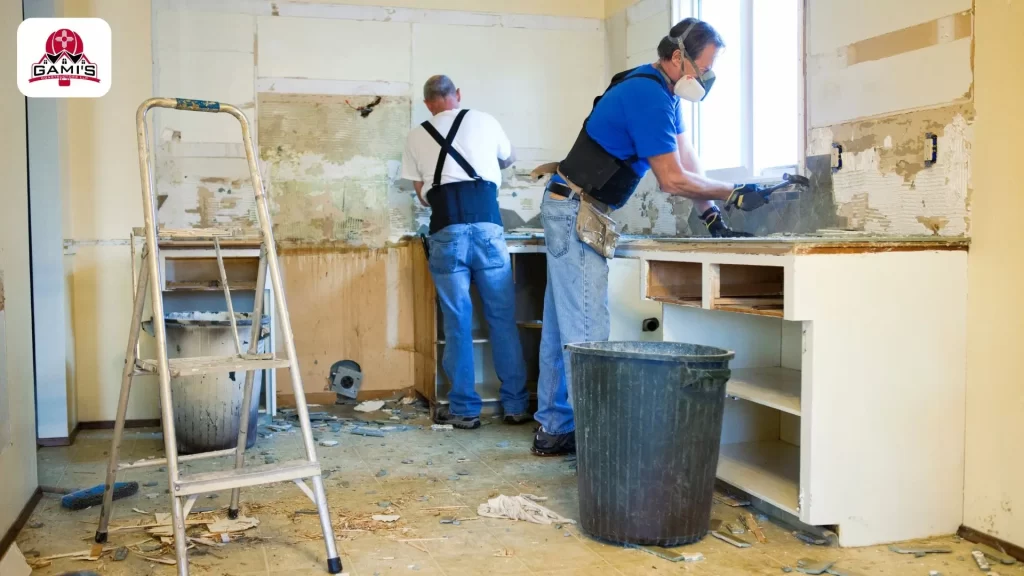
A remodel changes the structure or function of a space. You’re not just updating what’s there, you’re rethinking how the space works, how it flows, or what it’s used for. This typically involves moving or removing walls, relocating plumbing or electrical, or converting a space into something different.
Remodeling usually requires permits, licensed subcontractors (plumbers, electricians), and a general contractor to manage the work.
Common home remodeling projects include:
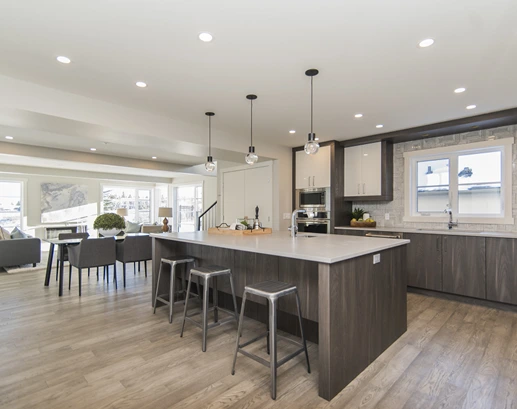
- Opening up a kitchen by removing a wall for an open-concept layout
- Converting a garage into a living space or ADU
- Reconfiguring a bathroom to move the shower, toilet, or vanity to different locations
- Expanding a bedroom by borrowing space from a hallway or closet
- Adding a home addition (new room, second story, sunroom)
- Converting an attic or basement into usable living space
- Changing a single-sink bathroom to a double-vanity layout requires new plumbing
In short, Remodels involve structural or functional changes. They’re bigger projects that require more planning, more permits, and more skilled labor, but they also create more dramatic results.
Renovation vs. Remodel: Side-by-Side Comparison
Feature | Renovation | Remodel |
|---|---|---|
Changes structure or layout? | No | Yes |
Permit usually required? | Sometimes | Usually yes |
Project complexity | Low to moderate | Moderate to high |
Average timeline | Days to weeks | Weeks to months |
Cost range | Lower | Higher |
Examples | New floors, paint, fixtures | Open-concept kitchen, room addition |
Impact on home value | Moderate | High (if done right) |
Requires general contractor? | Not always | Usually yes |
Which one costs more, renovation or Remodel?
This is one of the most common questions homeowners ask, and the honest answer is: it depends on the project scope, not just the label.
A simple bathroom renovation (new vanity, toilet, tile) might cost a few thousand dollars. A full bathroom remodel that moves plumbing, expands the footprint, and installs custom tile could run significantly more because you’re paying for design, structural work, permits, and multiple licensed trades.
What drives remodeling costs higher:
- Structural work (removing or adding walls, reinforcing beams)
- Permit fees and inspections
- Plumbing or electrical relocation
- Extended labor time and project management
- Unexpected issues uncovered during demo (old plumbing, outdated wiring, moisture damage)
What typically keeps renovation costs lower:
- No structural changes means less labor time
- No permits required in many cases
- Fewer trades involved
- Shorter project timeline
Honest tip: Never budget only for what you can see. Any project that involves opening walls, floors, or ceilings can uncover surprises, especially in older homes. A contractor who doesn’t mention this possibility isn’t being fully upfront with you.
Kitchen Renovation vs. Kitchen Remodel: What’s the Difference?
Kitchens are where this distinction gets most practical, because the line can blur quickly.
A kitchen renovation might look like:
- Painting or refinishing existing cabinets
- Replacing countertops (same layout)
- Installing a new backsplash
- Upgrading appliances
- New flooring or lighting
A kitchen remodel goes further:
- Removing a wall to open the kitchen to the living area
- Moving the sink or range to a different location (requires plumbing relocation)
- Adding a kitchen island where one didn’t exist before
- Expanding the kitchen into an adjacent dining room
- Reconfiguring the entire layout for better workflow
Many homeowners start out wanting a renovation and realize, once they see the options, that a partial remodel would give them the kitchen they actually want. That’s normal. A good contractor will show you both options and explain the real cost difference before you commit.
Bathroom Renovation vs. Bathroom Remodel
Bathrooms follow the same logic, though the space constraints make the difference even clearer.
Bathroom renovation:
- New vanity in the same location
- Retiling the shower or floor
- Replacing fixtures (faucet, showerhead, toilet)
- New mirror and lighting
- Fresh paint or updated hardware
Bathroom remodel:
- Moving the toilet or vanity to improve flow
- Expanding the bathroom into a closet or adjacent space
- Converting a tub-only space into a walk-in shower
- Adding a double vanity where there wasn’t one before (new plumbing required)
A bathroom remodel almost always requires permits in New Mexico, and you’ll need licensed plumbers and electricians involved. This is not a project to cut corners on poorly done plumbing work behind tile is one of the most expensive problems to fix later.
Do You Need a Permit for a Remodel in Albuquerque?
In most cases, yes, especially if your project involves any of the following:
- Structural changes (removing or adding walls)
- Electrical work beyond basic fixture swaps
- Plumbing relocation or new plumbing lines
- Home additions or new accessory structures
- HVAC modifications
The City of Albuquerque Building Safety Division oversees residential permits. Unpermitted work can create serious problems when you go to sell your home, refinance, or make an insurance claim. It can also mean having to tear out and redo work at your own expense.
A licensed general contractor handles the permit process for you, pulling the right permits, scheduling inspections, and making sure the work meets code. If a contractor tells you that you “don’t need a permit” for structural work, that’s a red flag.
Which Adds More Value to Your Home?
Both renovations and remodels can add real value, but not equally, and not always for the same reasons.
Renovations tend to improve marketability: Buyers notice fresh paint, updated bathrooms, and new flooring. These updates make a home feel move-in ready and can shorten time on market or support a higher asking price, especially in competitive neighborhoods.
Remodels can create larger value jumps: A well-executed kitchen remodel or primary bathroom expansion often returns a strong percentage of project cost in added home value. A home addition that creates a new bedroom, in-law suite, or home office can meaningfully increase both livable square footage and appraised value.
That said, value depends heavily on execution quality, neighborhood comparables, and whether the project suits the home’s style. An over-the-top luxury kitchen remodel in a modest neighborhood might not return what it cost.
Practical takeaway: If you’re planning to sell within 1–2 years, targeted renovations (kitchen refresh, bathroom update, curb appeal) often give you the fastest return. If you’re staying long-term and want your home to work better for your family, a thoughtful remodel is worth the investment.
You can also read: How Much Does It Cost to Renovate a House?
How to Decide: Renovation or Remodel?
Here’s a simple way to think through it.
Choose a renovation if:
- You’re happy with the layout, but want it to look or function better
- You’re working with a tighter budget or shorter timeline
- The space is structurally sound and just needs refreshing
- You’re preparing to sell and want to maximize appeal without overspending
Choose a remodel if:
- The current layout doesn’t work for how you actually live
- You need more space, and there’s room to expand
- You want to convert unused space (attic, garage, basement) into usable rooms
- You’re planning to stay in the home long-term and want it tailored to your needs
- You want to address aging systems (plumbing, electrical) while you’re at it anyway
Consider both if:
- You’re doing a major kitchen or bathroom project that involves some layout changes, but also cosmetic updates
- You’re tackling a full home refresh over time and want to prioritize where the money goes
Working with a Contractor in Albuquerque: What to Look For
Whether you’re planning a renovation or a full remodel, who you hire matters more than almost anything else. A few things that actually matter when choosing a residential contractor:
- Licensed and insured, verify this before signing anything
- Experience with your specific project type, kitchen remodels, home additions, and custom builds, each requires different expertise.
- Transparent communication, you should never feel like you’re guessing what’s happening on your own project.
- Realistic timelines and honest pricing. Be cautious of contractors who lowball estimates or promise unusually fast timelines on complex work.
- Local knowledge: Albuquerque has specific climate, building code, and permit requirements that a local contractor knows firsthand.
Gami’s Constructors LLC is a family-owned construction and remodeling company based in Albuquerque, founded by a father-and-son team with more than 30 years of combined construction experience. They handle everything from bathroom and kitchen remodels to full home additions and custom builds, the kind of contractor you can actually talk to about what your home needs, not just what they want to sell you.
Frequently Asked Questions
A renovation refreshes or restores an existing space without changing its structure or layout. A remodel changes the structure, layout, or function of a space, like removing a wall to create an open-concept kitchen or adding a new bathroom.
Generally, yes, because renovations don’t involve structural changes, permits, or as many licensed trades. However, the total cost depends heavily on the scope of work. A large-scale renovation can still cost more than a small, focused remodel.
It depends on what the renovation involves. Cosmetic work like painting, flooring, or fixture replacement usually doesn’t require permits. Any work involving structural changes, plumbing relocation, electrical upgrades, or new construction does require permits through the City of Albuquerque Building Safety Division.
Both can add value. Remodels, particularly kitchens, bathrooms, and additions, typically create larger increases in appraised value and usable square footage. Renovations tend to improve marketability and reduce time on market. The quality of execution matters more than which type of project it is.
Yes, and many are. A kitchen project might include new countertops and cabinet refinishing (renovation), along with wall removal for an open layout (remodel). Contractors will typically assess both components separately when estimating.
It varies significantly by scope. A bathroom remodel might take 2–4 weeks. A full kitchen remodel could run 6–10 weeks. Home additions or major structural projects can take several months. A good contractor gives you a realistic timeline before work starts, not after.
For cosmetic renovations, painting, hardware swaps, and simple flooring, a capable DIYer can handle the work. For anything involving permits, structural changes, plumbing, or electrical, hire a licensed general contractor. The risk of unpermitted or incorrectly done structural work far outweighs the short-term savings.
The difference between a renovation vs. remodel isn’t just a vocabulary question; it shapes how you plan, budget, and choose who to work with. Renovations refresh without restructuring. Remodels change how a space works at a deeper level. And many real-world projects involve elements of both.
What matters most is starting with a clear picture of what you actually want your home to do for you and then finding a contractor who will tell you honestly what it takes to get there.
If you’re in Albuquerque and thinking about a kitchen update, bathroom remodel, home addition, or any other residential project, Gami’s Constructors LLC offers free consultations and transparent project assessments. Their team brings over 30 years of hands-on construction experience and a straightforward approach, no pressure, no inflated estimates, just honest guidance on what your home actually needs.
Ready to talk through your project?Call Gami’s Constructors LLC or request a free quote at gamisconstructors.net. No pressure, just honest guidance from a team with 30+ years of Albuquerque construction experience. |