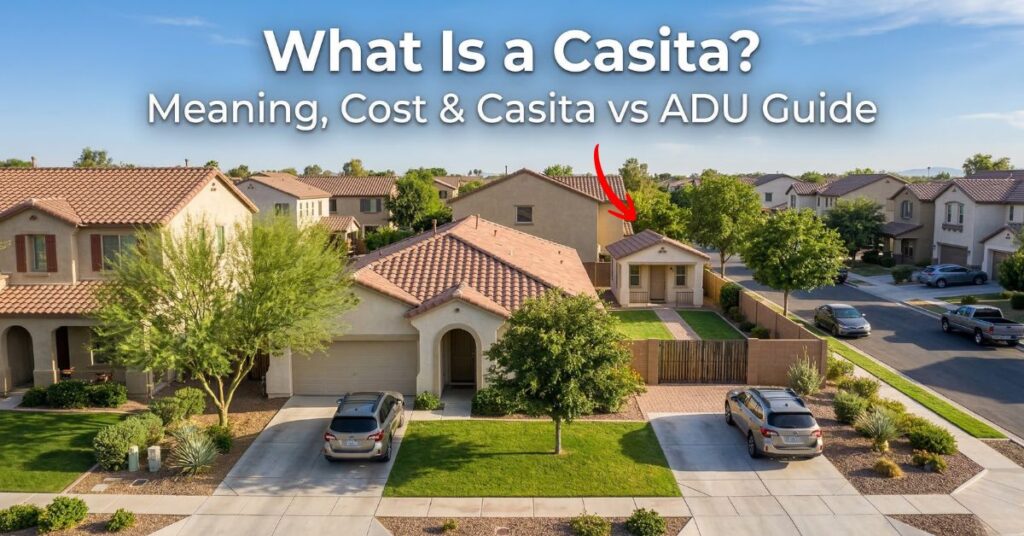
If you have been asking what is a casita, you are not alone. Homeowners and buyers often see the word in real estate listings, home design conversations, and discussions about flexible living space. In plain English, a casita is usually a small separate or semi-separate living area associated with a main home. Depending on the property, it may be used for guests, family members, a private office, or everyday overflow space.
For homeowners in Albuquerque, a casita can be an appealing option because it creates privacy and flexibility without requiring a completely separate house. But the term can mean slightly different things depending on the home layout, the neighborhood, and how the space is intended to function.
Casita Meaning: What Does “Casita” Mean?
The word “casita” comes from Spanish and translates to “little house.” That simple definition explains why the term is often used for a small living structure connected to or located near a primary residence.
In everyday home design and real estate use, a casita may refer to:
- A detached backyard living space
- A private guest suite
- A small structure with a bedroom and bathroom
- A compact living area with a kitchenette
- A semi-independent extension of the main home
So if you have searched for casita meaning, casita definition, or what does casita mean, the easiest answer is this: it is a small residential-style space designed for comfort, privacy, and flexible use.
What Is a Casita in Home Design?
When people ask what is a casita, they are often trying to understand how it works in real life, not just what the word means.
A casita is commonly designed as a smaller secondary space that supports the main home. It may be:
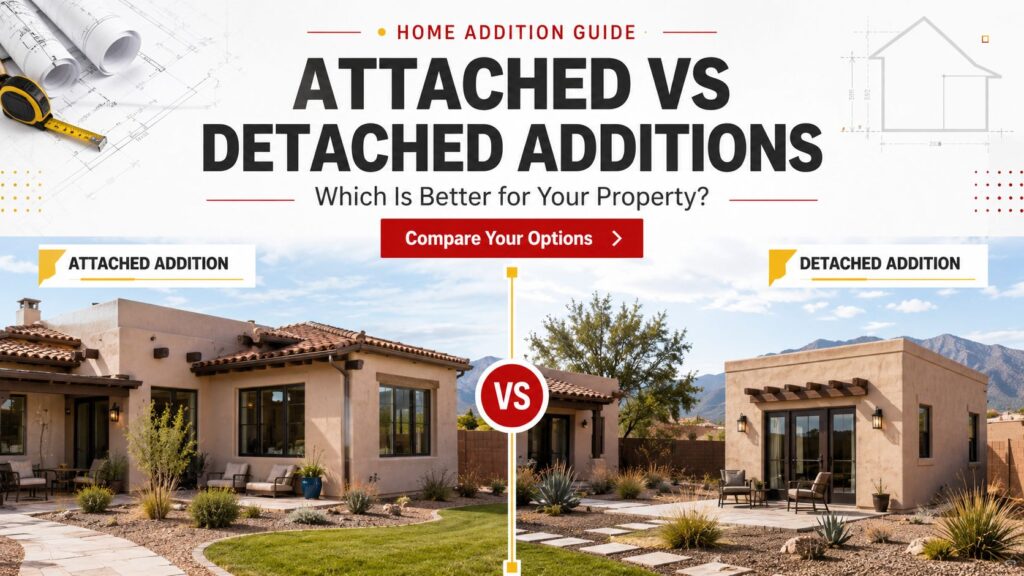
- Detached, like a backyard cottage-style structure
- Attached, like a private suite with a separate entrance
- Simple, such as a one-room layout with a bathroom
- More complete, with a sleeping area, bathroom, and kitchenette
In Albuquerque, homeowners may explore casitas as a way to add usable square footage while keeping more privacy than a standard room addition. The right design depends on the property layout, long-term goals, and how the space will actually be used.
What Does ADU Mean, and Is a Casita the Same Thing?
A common related search is what does ADU mean. ADU stands for Accessory Dwelling Unit. That term is typically used in planning, design, and housing discussions to describe a secondary residential unit located on the same property as a primary home.
A casita and an ADU can overlap, but they are not always used in exactly the same way.
Casita vs ADU
- Casita is often a design or lifestyle term
- ADU is often a planning or housing term
- A casita may function like an ADU if it includes the features of an independent living space
- Some homeowners use “guest house,” “casita,” and “ADU” interchangeably, even though the details can differ
That means a casita home or casita house may sometimes qualify as an ADU in a broader housing sense, but the language people use often depends on local market habits and the design itself.
Casita vs Guest House vs Home Addition
These terms sound similar, but they are not always identical.
Casita
Usually a smaller private living space connected to a main property, either attached or detached.
Guest House
Often a detached structure designed primarily for visitors, though it may also be used by family members or as flexible living space.
ADU
A secondary dwelling unit on the same lot as the main home, often defined by how complete and independent the living space is.
Home Addition
An expansion of the existing house, such as a new bedroom wing, bonus room, or in-law suite, that is physically integrated into the main structure.
For many homeowners in Albuquerque, the right choice depends on whether the goal is privacy, square footage, multigenerational living, or a seamless extension of the main house.
Common Ways Homeowners Use a Casita
One reason casitas are so popular is that they can serve many different needs over time.
Common uses include:
- Guest accommodations for visiting friends and family
- Multigenerational living with more privacy
- Home office space away from the main household activity
- Art, hobby, or studio space
- Flexible living space for changing family needs
- Private room for older children or relatives
- Quiet retreat that supports work-life balance
A well-planned casita is often most successful when the homeowner defines the primary purpose early. That helps shape the right layout, access, plumbing needs, storage, and finish level.
You can also read: How Much Does It Cost to Renovate a House?
What Affects Casita Cost?
There is no one-size-fits-all answer to casita cost because pricing can vary significantly based on the design and site conditions.
Key cost factors include:
- Size of the structure
- Layout complexity
- Attached vs detached design
- Bathroom installation
- Kitchenette or small kitchen features
- Utility connections
- Foundation and site conditions
- Roofline and exterior design
- Finish level and materials
- Access to the build area
A small one-room casita may cost far less than a detached structure with a bathroom, kitchenette, and upgraded finishes. In Albuquerque, site layout and climate-responsive design choices can also affect the overall scope. Homeowners usually get the clearest picture by discussing intended use first, then working backward into size, features, and budget comfort.
Popular Casita Design Ideas
Casitas can be tailored to many property types and household needs. Popular concepts include:
Detached Backyard Casita
A separate structure that offers stronger privacy and flexibility.
Attached Casita Suite
A private suite connected to the main house, often with a separate entrance.
Small One-Room Casita
A simpler footprint that may work well for office, studio, or guest use.
Casita With Bathroom
A practical option for overnight guests or family members.
Casita With Kitchenette
Adds more independence and convenience for longer stays.
Matching the Main House
Using similar rooflines, finishes, windows, and exterior details can make the project feel cohesive instead of added on.
For many homes with casitas, the most successful design is not the biggest one. It is the one that matches the family’s actual lifestyle and the character of the main property.
Does a Casita Add Value?
A casita may improve a property’s appeal, but value depends on the full picture rather than the label alone.
Factors that may influence perceived value include:
- Lot size
- Design quality
- Functionality
- Privacy
- Neighborhood expectations
- Local buyer demand
- Professional planning and construction quality
Rather than assuming a casita will automatically increase resale value, homeowners should think about how well the space fits the property and whether it adds practical usability. In a market like Albuquerque, thoughtful design and strong integration with the main home often matter more than simply adding another structure.
What to Think About Before Building a Casita
Before moving forward, homeowners should consider:
- The intended use of the space
- How much privacy is needed
- Where access should be located
- Whether utilities can be extended efficiently
- How much lot space is available
- The level of budget comfort
- Long-term family needs
- Site-specific design or code constraints
Common Mistakes to Avoid
- Assuming every casita is the same as an ADU
- Choosing looks over day-to-day function
- Underestimating utility and bathroom cost drivers
- Skipping access and circulation planning
- Picking a layout before defining the purpose
A contractor typically evaluates the property layout, access, intended use, structural feasibility, integration with the main house, finish level, and long-term usability before recommending a direction. That local context matters, especially in Albuquerque, where lot types, neighborhood styles, sun exposure, and climate can influence the right design approach.
Next Steps Checklist
- Define how you want to use the casita
- Decide whether attached or detached makes more sense
- List must-have features like a bathroom or kitchenette
- Review how much privacy you want
- Think about long-term family or lifestyle needs
- Set a comfortable budget range
- Gather inspiration for layout and exterior style
- Speak with a contractor about feasibility on your property
Conclusion
Understanding what is a casita is really about understanding how homeowners create flexible, private living space that fits their property and lifestyle. Whether you are comparing a casita to an ADU, exploring design ideas, or trying to make sense of cost factors, the smartest next step is to look at your goals before choosing a layout.
If you are thinking about building a casita, guest space, or custom addition in Albuquerque, Gami’s Constructors can help you talk through the possibilities, evaluate your property, and plan a space that feels practical, comfortable, and well integrated with your home.